Connecting Routine Funding Choices to Tiered Access in Wireless Multiplier Environments
Written by Parker Jenkins · Jul 18, 2026
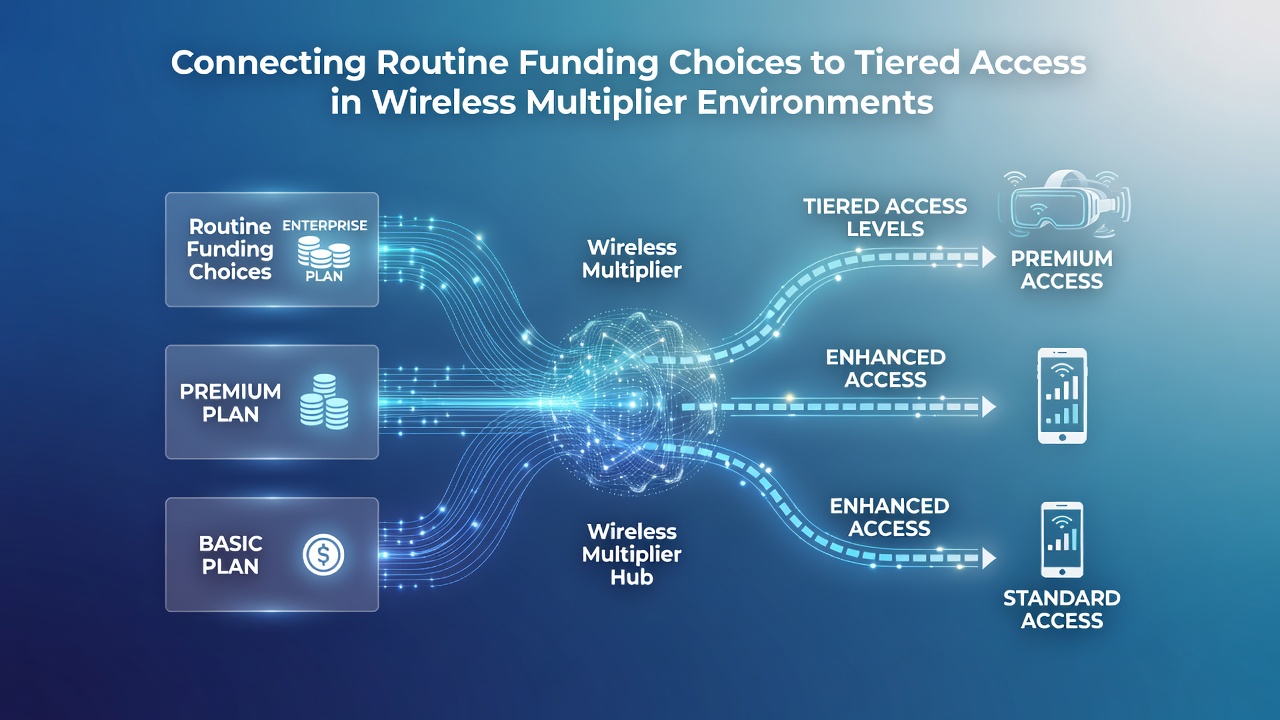
Connecting Routine Funding Choices to Tiered Access in Wireless Multiplier Environments
Wireless multiplier environments operate through layered network architectures where routine funding decisions shape the availability of scaled capacity and differentiated service tiers. Observers note that organizations allocate capital between public spectrum auctions and private infrastructure bonds, which in turn determines whether users gain entry to basic connectivity or premium multiplier-enhanced pathways. Data from industry reports shows these choices compound over time because each funding stream carries distinct regulatory conditions and deployment timelines.
Funding Mechanisms and Their Structural Impact
Public grants typically prioritize broad coverage mandates while private equity focuses on high-density urban nodes. Researchers at technical institutes have documented how grant-funded projects install multiplier nodes that boost signal density by factors of three to five in suburban zones. In contrast, bond-financed deployments concentrate resources on enterprise-grade tiers that unlock advanced latency controls and priority queuing. Those who've examined balance sheets across multiple operators find that mixed funding portfolios create hybrid access models where routine subscription payments unlock incremental multiplier credits.
July 2026 figures released by regional telecommunications authorities indicate that operators relying on 60 percent or more public funding achieved wider geographic tier distribution than those dependent on private capital alone. This pattern emerges because public sources require measurable equity benchmarks that push deployment into lower-density areas.
Tiered Access Structures in Practice
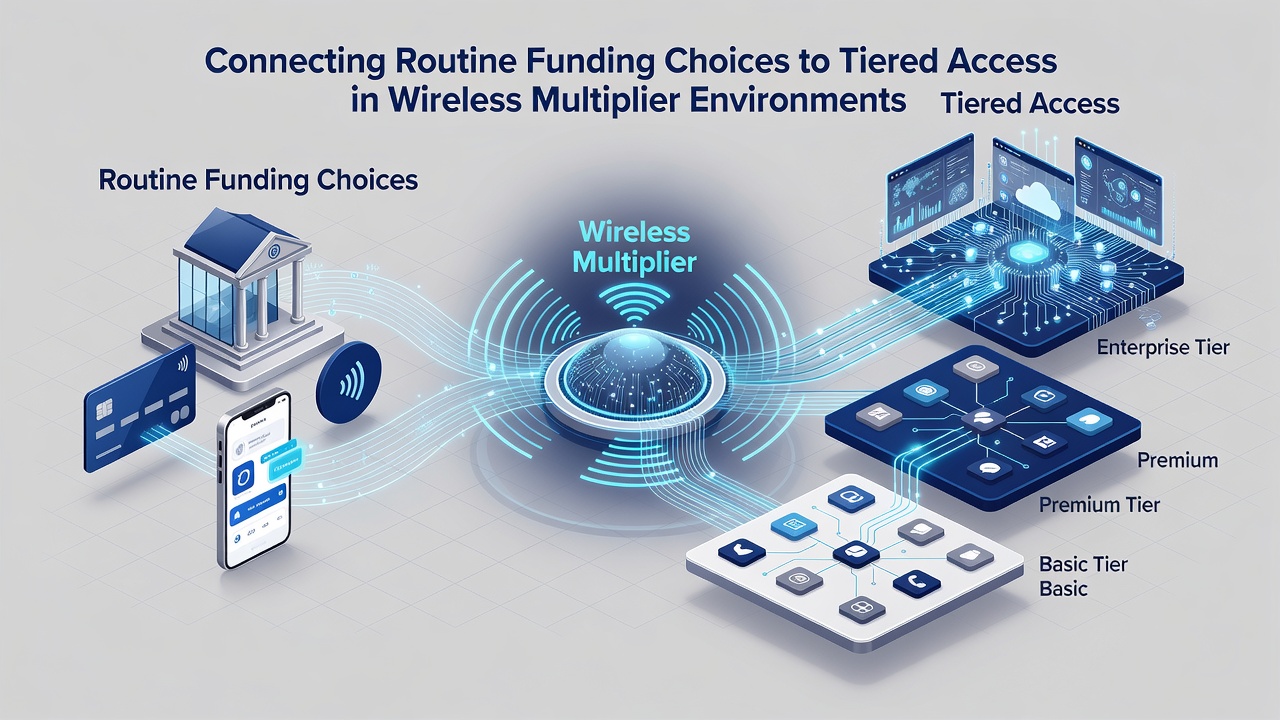
Tier definitions emerge directly from the capital allocation process. Basic tiers provide standard wireless connectivity, whereas enhanced tiers activate multiplier protocols that increase effective bandwidth during peak loads. Analysts tracking deployment logs observe that operators who secure long-term spectrum leases through government channels extend these enhanced tiers to municipal partners at lower per-unit costs. Private investors, however, often structure contracts that reserve multiplier access for premium subscribers who commit to multi-year agreements.
Case Examples from Recent Deployments
One regional carrier in North America combined federal infrastructure funds with corporate bonds to create three distinct access levels. The lowest tier served residential users with standard multiplier scaling, the middle tier supported small-business latency guarantees, and the top tier delivered enterprise-grade capacity during network congestion. Figures reveal that this blended approach expanded overall multiplier coverage by 22 percent compared with single-source projects completed in the same period.
Regulatory and Market Influences
Regulatory frameworks in the European Union and Canada impose reporting requirements that tie continued funding eligibility to demonstrated tier equity. According to reports from the Canadian Radio-television and Telecommunications Commission, operators must publish annual access distribution data showing how routine user payments map onto multiplier availability. Similar transparency rules in Australia require disclosure of any funding source that influences tier pricing structures.
Market competition further shapes these connections. When multiple providers enter the same geographic area, funding diversity tends to increase, which expands the range of accessible tiers for end users. Data shows that markets with at least three active funding models per operator experience faster rollout of multiplier-enhanced services than markets dominated by single-source financing.
Technical Implementation Patterns
Multiplier environments rely on software-defined networking overlays that allocate capacity based on user tier status. Routine funding decisions determine whether these overlays receive updates that support dynamic scaling. Operators funded primarily through equipment leasing agreements often experience slower update cycles, which restricts advanced tier features to legacy multiplier settings. Those financed through direct capital expenditure budgets deploy updated protocols more rapidly, enabling finer-grained access controls tied to daily usage patterns.
Studies conducted by university engineering departments confirm that the timing of funding disbursements correlates with tier activation dates. Projects receiving quarterly public disbursements activate new multiplier tiers on predictable schedules, whereas private placements tied to milestone achievements produce irregular rollout patterns that affect user access predictability.
Conclusion
Routine funding choices establish the foundational parameters for tiered access within wireless multiplier environments. Public and private capital streams each impose distinct constraints that operators translate into service level definitions. Evidence from multiple regulatory regions demonstrates that diversified funding portfolios produce broader tier availability and more consistent multiplier scaling across user segments. As deployment data continues to accumulate through 2026, the direct linkage between capital allocation decisions and access outcomes remains a central factor in network planning.