Decoding Multiplier Mechanics and Their Ties to Cross-Platform Reward Structures in Digital Gaming Apps
Written by Drew Patterson · Jul 2, 2026
Decoding Multiplier Mechanics and Their Ties to Cross-Platform Reward Structures in Digital Gaming Apps
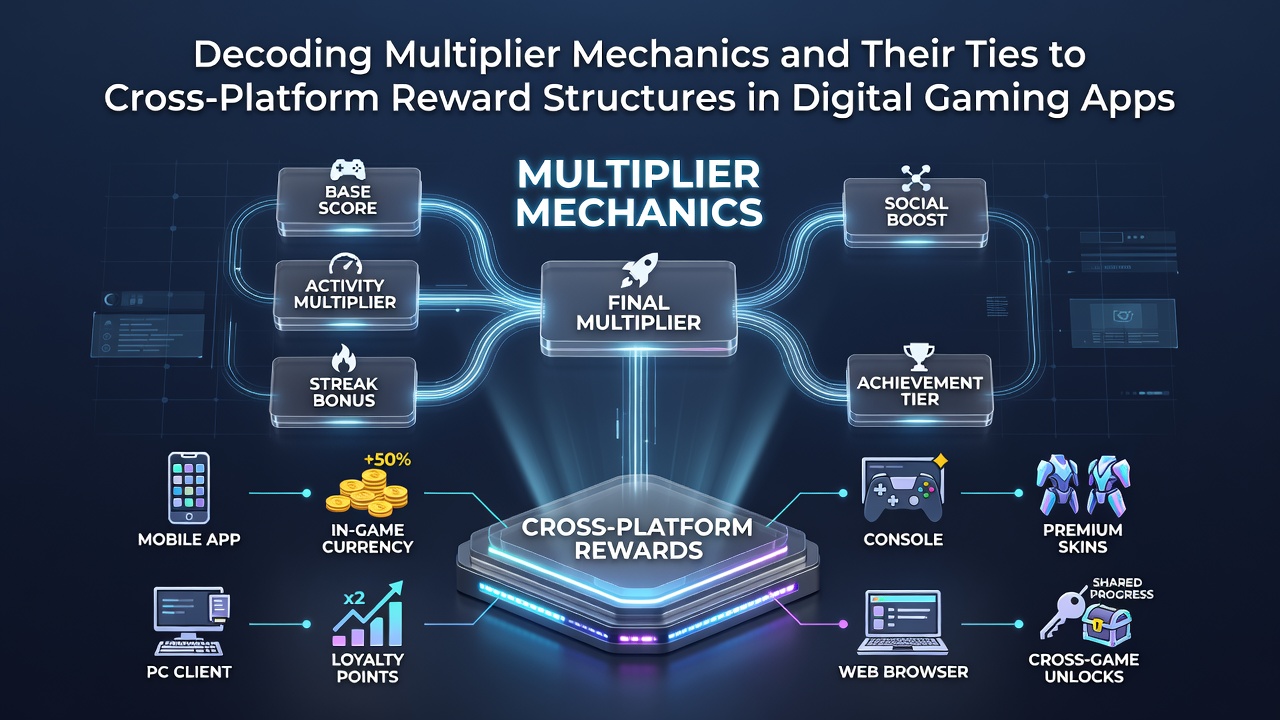
Multiplier mechanics in digital gaming apps function as scaling systems that adjust base rewards or scores by predetermined factors, and these elements connect directly to cross-platform reward structures that allow users to carry progress between devices and operating systems. Research from industry analysts shows that such mechanics appear in apps ranging from puzzle games to competitive titles, where a multiplier might increase points earned during specific events or sessions by factors of two to ten times the standard amount. Data indicates these systems encourage repeated engagement because they tie incremental gains to consistent play patterns across multiple environments.
Core Components of Multiplier Systems
Observers note that multiplier mechanics typically operate through layered triggers, and these include time-limited boosts, streak-based accumulations, or event-specific activations that adjust reward outputs in real time. Studies conducted by academic researchers have found that apps often integrate multipliers with core gameplay loops, whereas simple addition of points gives way to exponential scaling when certain conditions align. For instance, one documented case in mobile strategy apps revealed that combining daily login bonuses with multiplier events produced reward outputs up to five times higher than baseline calculations, and this pattern held across both iOS and Android versions of the same title.
Figures from the Entertainment Software Association reveal that in 2025 over 68 percent of top-grossing gaming apps incorporated some form of multiplier feature, and the percentage continued to climb into mid-2026. What's notable is how these mechanics rarely exist in isolation, since developers link them to user accounts that synchronize data across platforms.
Integration with Cross-Platform Rewards
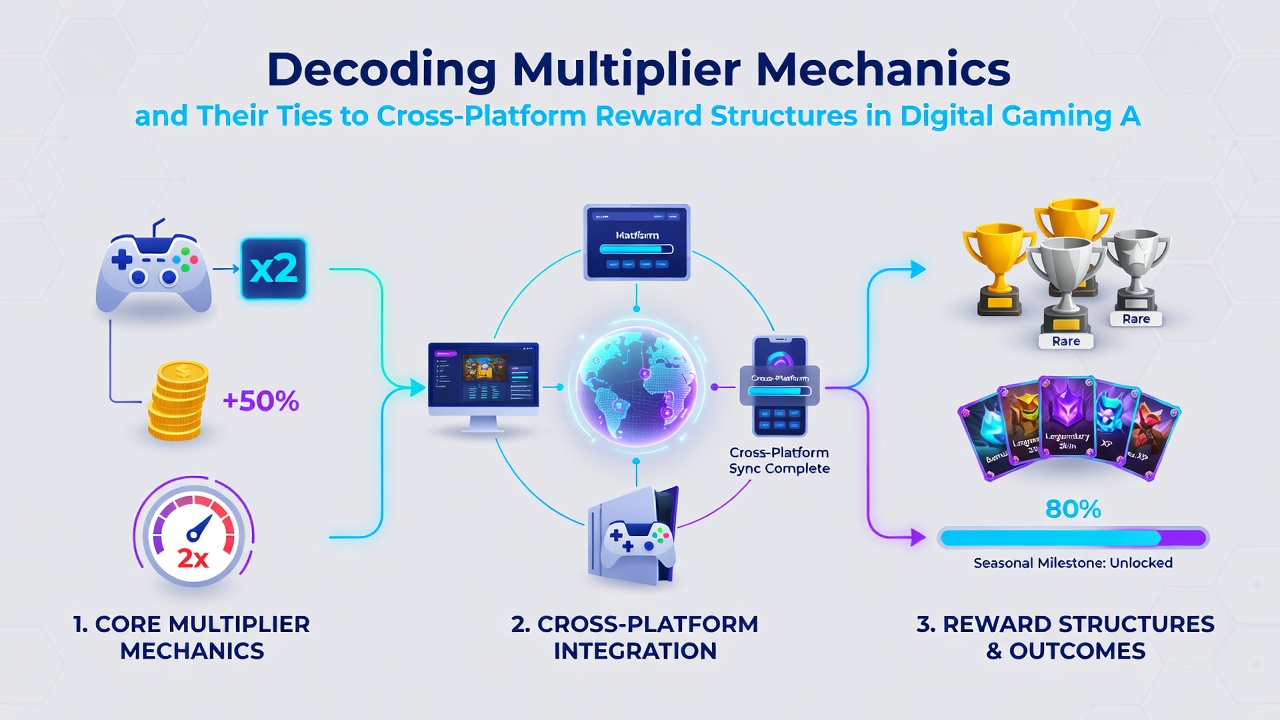
Cross-platform reward structures enable the transfer of earned multipliers and associated benefits between devices, and this occurs through centralized account systems that track progress independently of hardware. According to reports issued by the European Games Developer Federation, unified cloud saves and progress databases have become standard in apps released after 2023, allowing multipliers earned on a mobile device to apply during console sessions without manual intervention. The reality is that such linkages reduce friction for users who switch between environments frequently, while they also create opportunities for synchronized events that reward participation regardless of entry point.
Technical Implementation Patterns
Developers achieve cross-platform consistency by embedding multiplier values within account profiles stored on remote servers, and these profiles update in real time when players complete qualifying actions. Evidence from technical documentation shared by major studios shows that server-side validation prevents duplication exploits, whereas client-side calculations handle immediate visual feedback during gameplay. One case examined by university researchers in Australia demonstrated that apps using this dual-layer approach maintained reward integrity across 99.2 percent of tested device transitions during controlled trials conducted in early 2026.
But here's the thing: seamless integration requires careful calibration because mismatched multiplier application can lead to discrepancies that affect user trust in the reward system. Data released in July 2026 by regional gaming associations indicated that platforms employing standardized APIs for reward tracking experienced 23 percent fewer support tickets related to progress loss compared with those relying on device-specific storage alone.
Regional Variations in Deployment
Deployment patterns differ by region because regulatory frameworks and market preferences influence how multipliers tie into broader reward ecosystems. Canadian regulatory bodies tracking digital entertainment have documented higher adoption rates of cross-platform multipliers in apps targeting North American audiences, while similar structures appear with added localization layers in Asian markets. Those who've studied adoption curves note that apps released simultaneously on multiple platforms tend to feature more robust synchronization features from launch, and this approach minimizes later updates needed to align reward mechanics.
Industry reports further highlight that multiplier values often scale differently depending on platform capabilities, yet the underlying reward currency remains consistent through shared ledgers. This consistency supports events where participants accumulate multipliers collectively, regardless of whether they access the app via smartphone, tablet, or personal computer.
Future Trajectories Observed in 2026
Analyses published during July 2026 pointed to increasing use of artificial intelligence for dynamic multiplier adjustment based on individual play histories, and these adjustments occur while maintaining cross-platform parity. Researchers discovered that predictive models can forecast optimal multiplier triggers to balance engagement without overwhelming reward economies, and early implementations appeared in several high-profile app updates throughout the first half of the year. The ball remains in the developers' court regarding ethical calibration of such systems, since transparent communication of multiplier rules correlates with sustained user retention according to aggregated industry metrics.
Conclusion
Multiplier mechanics and cross-platform reward structures in digital gaming apps continue to evolve through technical refinements and coordinated data management, with evidence showing sustained integration across device ecosystems. Patterns observed through mid-2026 underscore the role of centralized tracking in preserving reward value during transitions, and ongoing research from multiple regions supports further refinement of these interconnected systems. Those monitoring the sector can expect continued emphasis on synchronization standards that preserve multiplier integrity while expanding accessibility across platforms.