Decoding Sequence Triggers Between Electronic Transfers and Accumulative Prize Events in Wireless Table Interfaces
Written by Xander Reed · Aug 13, 2026
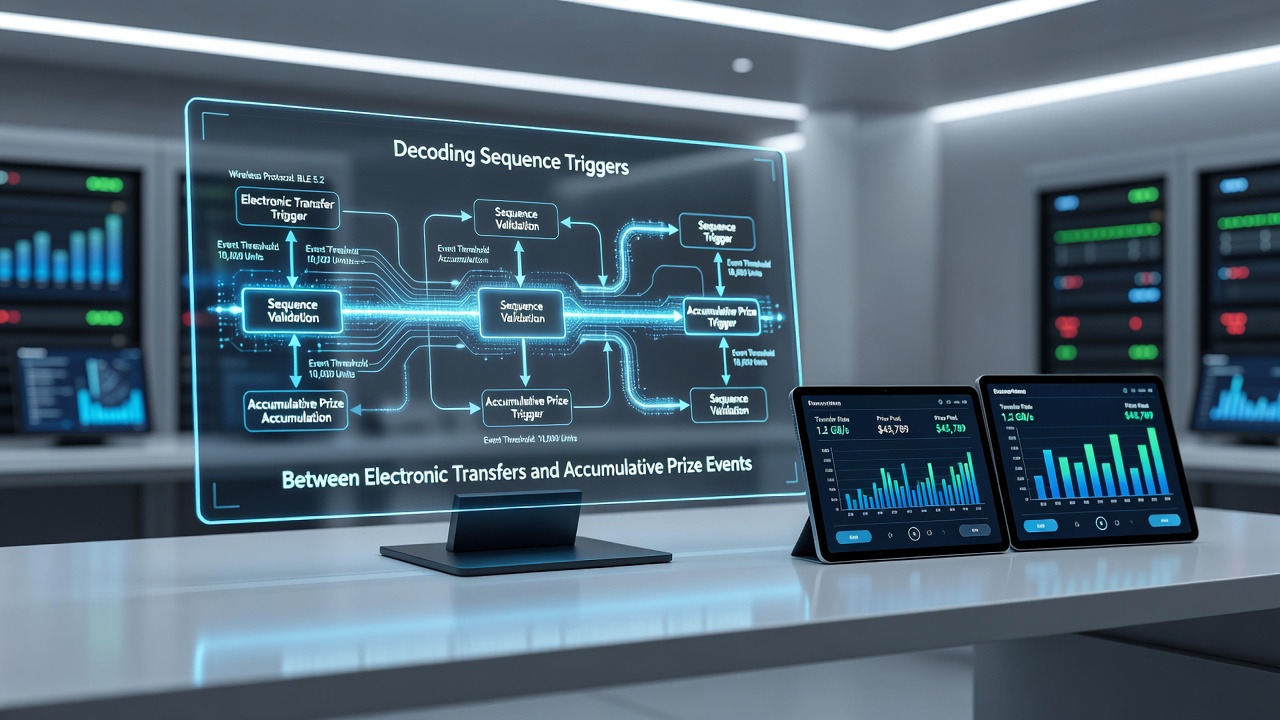
Decoding Sequence Triggers Between Electronic Transfers and Accumulative Prize Events in Wireless Table Interfaces
Electronic transfers in wireless table interfaces initiate specific sequence triggers that connect directly to accumulative prize events through defined data pathways and protocol handshakes. These interfaces operate on mobile platforms where payment gateways communicate with game servers using encrypted packets that carry transaction identifiers, timestamp markers, and user session data. Observers note that once a transfer completes verification, the system routes the confirmation to a trigger module that checks eligibility criteria for prize pools before any accumulation occurs.
Core Mechanisms of Electronic Transfers in Mobile Table Systems
Wireless table interfaces rely on standardized APIs to process deposits and withdrawals while maintaining real-time synchronization across devices. When a user initiates a transfer, the interface captures the request and forwards it through secure channels to payment processors, after which the response payload includes status codes that determine subsequent actions. Researchers have documented how these codes activate conditional branches in the game logic, such as updating balance ledgers or flagging accounts for bonus eligibility. In August 2026, platform logs from several operators showed consistent patterns where transfer completion times averaged under three seconds on 5G networks, enabling faster sequence progression to prize-related modules.
Security protocols embed checksums and digital signatures within each transfer packet to prevent tampering during transit. Those who study these systems report that mismatches in verification halt the sequence before it reaches accumulative event handlers, thereby protecting prize pool integrity. Data flows from the interface to backend servers follow a linear order: authentication, validation, ledger update, and trigger dispatch.
Accumulative Prize Events and Their Activation Criteria
Accumulative prize events build through incremental contributions from multiple player transfers across connected sessions. Wireless table interfaces calculate contributions based on predefined percentages of each transfer amount, then add those values to centralized progressive meters visible on player screens. Experts have observed that sequence triggers activate these events only after the system confirms the transfer as non-reversible and compliant with jurisdictional rules.
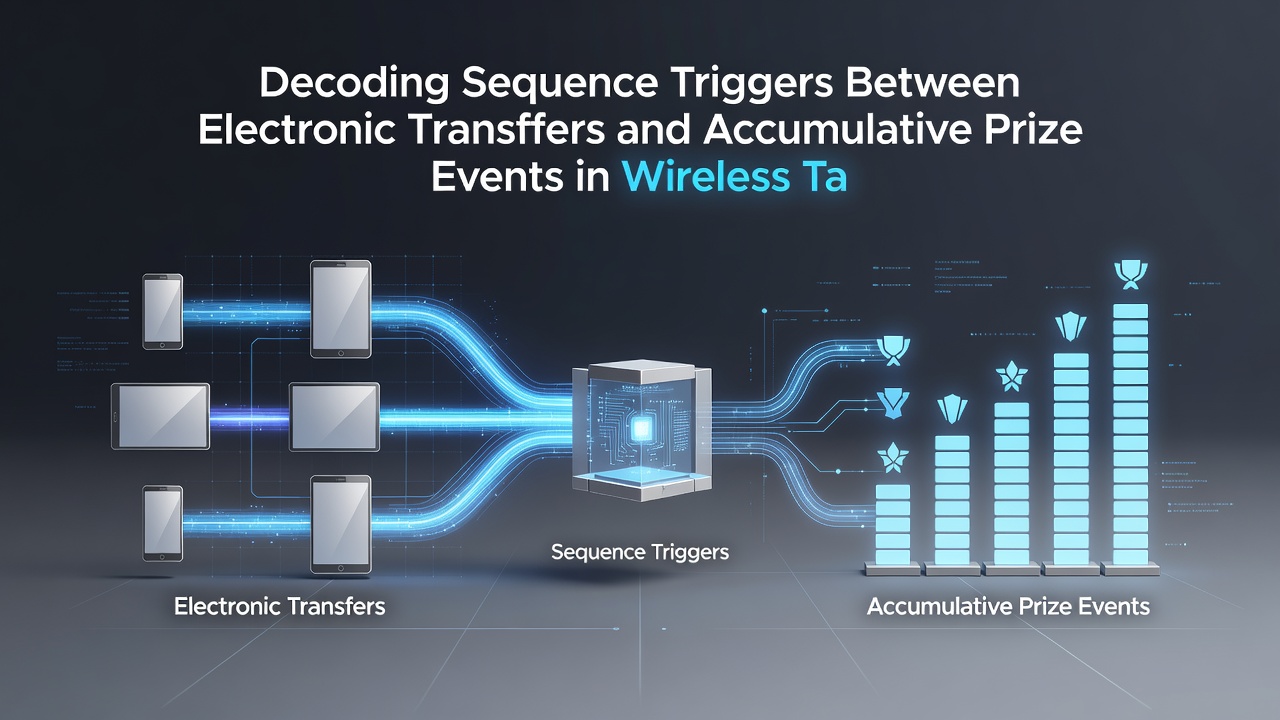
Trigger conditions often include minimum transfer thresholds, session duration requirements, and game type specifications such as live dealer tables versus automated variants. When conditions align, the interface broadcasts an event notification that updates the prize display and records the transaction in audit logs. Figures from industry analyses indicate that wireless platforms processed over 12 million such accumulative events in the first half of 2026, with peak activity during evening hours in major markets.
Sequence Integration Between Transfers and Prize Triggers
Integration occurs through middleware layers that map transfer outcomes to prize event queues using unique correlation identifiers. Each transfer generates a trigger token that the system evaluates against active prize rulesets before committing any accumulation. Observers note that delays in token evaluation can occur during high traffic periods, yet the overall sequence maintains atomicity to avoid partial updates. Platforms employ event-driven architectures where listeners wait for transfer confirmations and respond instantaneously with prize adjustments when applicable.
Case studies from operators reveal that wireless table interfaces incorporate fallback routines if a prize trigger fails validation, returning the transfer status without affecting the accumulator. This design ensures continuity even during network interruptions common in mobile environments. Research indicates that error rates for these integrated sequences dropped below 0.2 percent following updates to handshake protocols in early 2026.
Technical Standards and Data Protocols
Industry standards such as those outlined by the Gaming Standards Association define message formats for transfer-to-prize linkages in wireless contexts. These standards specify fields for sequence numbers, event types, and accumulator references that enable interoperability across different hardware and software stacks. Developers implement these protocols in client-side libraries that handle both iOS and Android environments while preserving encryption throughout the data exchange.
According to reports from the Nevada Gaming Control Board, compliance testing in 2026 emphasized verification of trigger sequences under simulated mobile conditions, including variable latency and packet loss scenarios. Similar evaluations by the Malta Gaming Authority have focused on cross-border transfer handling and its impact on accumulative events tied to international player bases.
Current Developments in August 2026
August 2026 brought increased adoption of edge computing nodes for wireless table interfaces, which reduced round-trip times for sequence triggers between transfers and prize accumulators. Platform metrics collected during this period showed improved reliability in prize event logging, particularly for progressive systems spanning multiple jurisdictions. Industry organizations have noted that these advancements support higher volumes of simultaneous mobile sessions without compromising the integrity of accumulative calculations.
Conclusion
Sequence triggers between electronic transfers and accumulative prize events in wireless table interfaces follow structured protocols that prioritize verification, atomic updates, and real-time synchronization. Data from regulatory bodies and technical standards organizations continues to guide refinements in these systems as mobile gaming volumes expand. The integration remains dependent on precise message handling and compliance frameworks that evolve alongside network capabilities and device diversity.