Demographic Shifts Driving Engagement Patterns Within Regulated Digital Wagering Networks
Written by Petra Schmitz · Jun 23, 2026
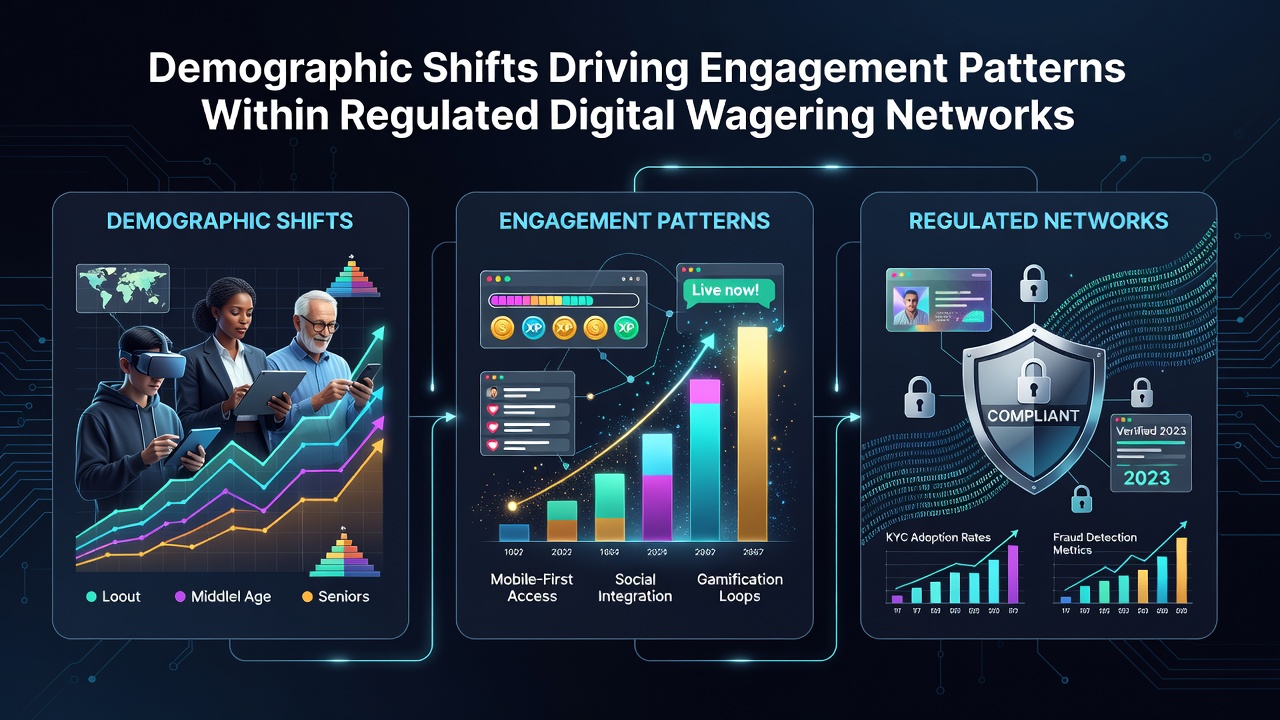
Demographic Shifts Driving Engagement Patterns Within Regulated Digital Wagering Networks
Regulated digital wagering networks have experienced measurable changes in user composition over recent years, with data from multiple jurisdictions pointing to evolving age distributions, gender balances, and geographic concentrations. These patterns influence how platforms allocate features such as mobile interfaces, live dealer options, and reward structures. Figures released in early 2026 from state gaming commissions show continued growth in participation from cohorts previously underrepresented in online environments.
Age Distribution Trends Across Platforms
Younger adults between 21 and 34 now account for a larger share of active accounts in several regulated markets, particularly where mobile apps dominate access. Data from the New Jersey Division of Gaming Enforcement indicates this group drives higher session frequency on multiplier reel games and sports wagering interfaces during evening hours. Meanwhile operators report sustained activity from users aged 45 and older who favor table game simulations and progressive accumulator titles, often accessing networks through desktop connections during daytime periods.
Shifts in generational engagement appear tied to device preferences and payment method adoption. Those in the 35 to 44 bracket frequently combine deposit activity with loyalty program participation, creating distinct pathways that link everyday transactions to tiered reward access. Regulatory filings from Illinois and Pennsylvania document parallel increases across these segments as additional states finalize licensing frameworks.
Gender Participation and Behavioral Patterns
Women represent a growing proportion of registered users in regulated digital wagering networks, with participation rates rising steadily since expanded legalization in multiple U.S. states. Reports compiled by the American Gaming Association highlight elevated engagement with live dealer formats among female users compared to earlier market data. This development coincides with platform adjustments that include varied game pacing and social interaction elements designed to accommodate broader audience segments.
Men continue to form the majority in sports-focused wagering categories, yet the margin has narrowed in several jurisdictions. Observers note corresponding changes in deposit timing and game selection, with data indicating women often initiate sessions through promotional offers tied to specific titles. These patterns surface consistently in compliance reports submitted to state regulators through June 2026.
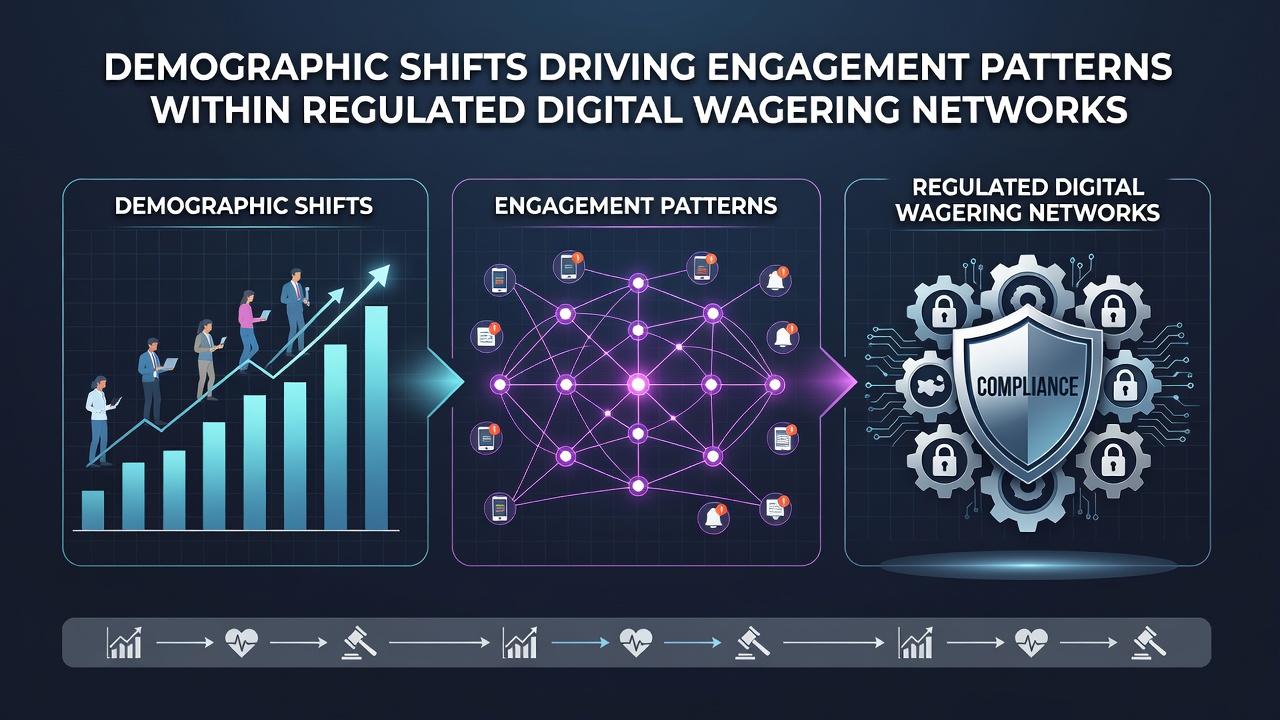
Geographic and Income Variations
Urban populations in states with mature regulatory environments show higher per-user engagement metrics than rural counterparts, according to aggregated transaction data. Higher-income brackets demonstrate preference for high-limit table environments and VIP structures, while mid-range earners gravitate toward volume-based reward programs. Canadian provincial reports reveal similar urban concentration effects, particularly in Ontario where digital access expanded rapidly after regulatory updates.
International comparisons add further context. Research compiled by the Australian Institute of Family Studies tracks parallel movements in regulated markets, where regional differences in device usage and session duration reflect local economic conditions and network infrastructure. These variations affect how operators structure promotional calendars and feature rollouts across time zones.
Payment Integration and Engagement Pathways
Demographic factors intersect directly with payment method adoption, shaping entry points into reward ecosystems. E-wallet usage has increased among younger cohorts, enabling faster transitions between deposit activity and live interactions. Older segments retain higher reliance on traditional card and bank transfers, which operators accommodate through extended verification windows and tiered access protocols.
Studies from academic institutions such as the University of Nevada, Las Vegas Center for Gaming Research document correlations between payment preferences and game category selection. Networks that streamline these pathways report steadier retention across age groups, with June 2026 filings showing incremental growth in cross-category participation when multiple methods receive equal platform support.
Regulatory Context and Market Response
State and provincial regulators continue to monitor demographic data as part of ongoing compliance reviews. Requirements for responsible gaming tools now incorporate segmentation by age and location in several jurisdictions, prompting operators to adjust notification timing and limit-setting interfaces. These adaptations respond to observed engagement patterns rather than uniform policy mandates.
Market participants track these shifts through internal analytics that feed into licensing submissions. Patterns emerging from recent reporting cycles suggest sustained diversification in user bases as additional regions implement regulated digital frameworks, creating opportunities for feature customization tied to specific demographic clusters.
Conclusion
Demographic composition within regulated digital wagering networks continues to evolve in measurable ways, with age, gender, and geographic factors shaping session behaviors and feature utilization. Data from government agencies and research organizations across multiple regions provides the foundation for understanding these movements. Operators respond through platform adjustments that align interface options and reward structures with documented user distributions, while regulators incorporate segmentation insights into oversight frameworks. Ongoing reporting through 2026 will further clarify how these patterns stabilize or shift as markets mature.