Evaluation Frameworks Linking Transaction Patterns to Tiered Multiplier Reel and Real-Time Table Access in Wireless Casino Environments
Written by Jordan Hansen · Aug 1, 2026
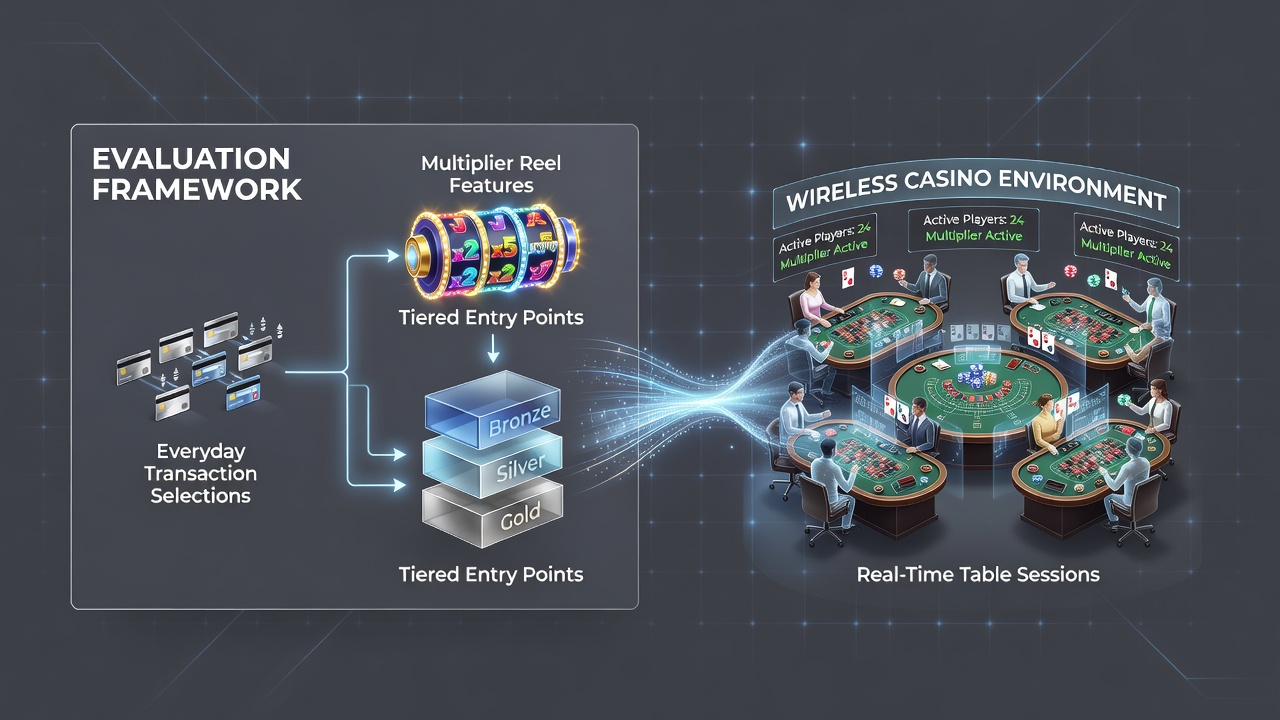
Evaluation Frameworks Linking Transaction Patterns to Tiered Multiplier Reel and Real-Time Table Access in Wireless Casino Environments
Evaluation frameworks in wireless casino platforms process everyday transaction selections such as deposits and bet placements to determine eligibility for tiered entry points that unlock multiplier reel features along with real-time table sessions, and these systems operate through algorithmic assessment of player activity data collected across mobile networks. Operators deploy these frameworks to segment users based on transaction frequency, volume, and consistency, which in turn grants graduated access to enhanced reel multipliers that scale with activity levels while simultaneously opening pathways to live dealer tables hosted in real time.
Core Components of Transaction Evaluation in Mobile Gaming
Transaction evaluation begins when users select payment methods and amounts through wireless interfaces, after which frameworks analyze variables including deposit size, frequency of selections, and historical patterns to assign initial tier placements, and data from these assessments feed directly into access controls for multiplier reels where base multipliers expand at higher tiers while real-time table sessions require minimum activity thresholds verified through the same process. Systems track selections across sessions without interruption because wireless environments maintain continuous data streams that update evaluations in near real time, allowing adjustments to tier status as new transactions occur.
Frameworks incorporate rulesets derived from regulatory requirements in multiple jurisdictions, such as those outlined by the Nevada Gaming Control Board for digital gaming compliance, and these rules ensure that tier progression remains tied to verifiable transaction records rather than external factors. Observers note that integration of payment processor APIs with evaluation engines creates seamless flows where a single deposit selection can trigger immediate recalculation of access points for both slot multipliers and table entry.
Tiered Entry Mechanisms for Multiplier Reels
Tiered entry points for multiplier reel features function through progressive qualification layers that frameworks enforce after transaction review, so lower tiers might permit standard reel spins with modest multipliers while elevated tiers based on cumulative selections activate advanced multipliers that compound across consecutive plays. Wireless platforms implement these layers by cross-referencing current transaction data against stored profiles, which enables instant feature unlocks once criteria are met during active sessions. Studies from gaming technology providers indicate that such connections reduce latency between deposit confirmation and multiplier activation, maintaining engagement across handheld devices.
Real-Time Table Session Integration
Real-time table sessions connect to the same evaluation structures because frameworks assess transaction selections to confirm eligibility before granting entry to live dealer environments streamed wirelessly, and thresholds often combine deposit volume with play consistency to determine which tables become available at each tier. Players who complete qualifying transactions gain access to higher-stakes tables or exclusive variants, with the system updating permissions dynamically as new data arrives from mobile interfaces. This linkage ensures that table availability reflects ongoing activity patterns without requiring separate qualification steps outside the primary framework.
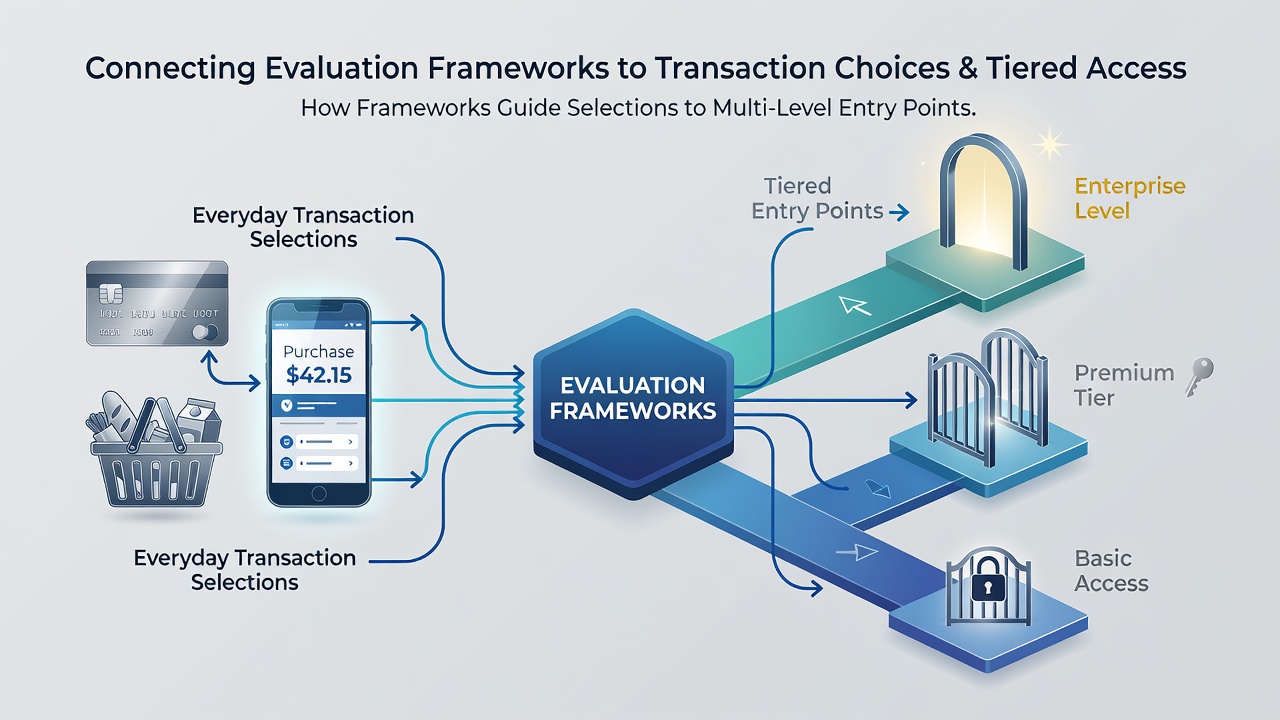
Data Flows and Framework Architecture
Architectural designs route transaction data through centralized evaluation modules that apply weighted scoring to selections, after which outputs determine tier assignments that simultaneously affect reel multipliers and table access permissions across wireless networks. Multiple data points including payment timing, amount ranges, and method types contribute to scores, while conjunctions with historical records refine accuracy over repeated sessions. Industry reports from the American Gaming Association highlight how these architectures support scalable operations that handle thousands of concurrent wireless users without compromising evaluation speed or feature delivery.
Frameworks also incorporate feedback loops where outcomes from multiplier reel sessions and table play feed back into the evaluation process, adjusting future tier calculations based on sustained activity following initial transaction triggers. This creates closed systems that adapt to individual patterns while remaining anchored in objective transaction metrics recorded through mobile applications.
Regulatory and Operational Context in August 2026
By August 2026 wireless casino operators continue refining evaluation frameworks to align with evolving compliance standards across regions, and transaction-linked tier systems provide auditable records that satisfy oversight from bodies such as state gaming commissions in the United States. These frameworks support operational efficiency by automating access decisions that once required manual review, allowing platforms to expand real-time table offerings alongside multiplier reel enhancements without proportional increases in administrative overhead. Geographic variation in rules necessitates flexible scoring models that frameworks accommodate through modular rule engines updated as regulations shift.
Conclusion
Evaluation frameworks establish direct pathways from everyday transaction selections to tiered entry points governing multiplier reel features and real-time table sessions in wireless casino environments by processing activity data into actionable access levels that update continuously across mobile platforms, and this structure maintains consistency between player transactions and feature availability while meeting regulatory demands for transparent recordkeeping. Operators rely on these connections to deliver graduated experiences that scale with verified activity, ensuring both reel multipliers and live table access reflect objective evaluation outcomes derived from payment and play records.