Tracing Deposit Progressions That Unlock Layered Prize Mechanisms Across Portable Interactive Frameworks
Written by Petra Schmitz · Jul 7, 2026

Tracing Deposit Progressions That Unlock Layered Prize Mechanisms Across Portable Interactive Frameworks
Deposit progressions in portable interactive frameworks operate through sequenced transaction logs that trigger successive access layers to prize structures, and these systems record each funding event against predefined thresholds that activate multiplier reels alongside live table entry points. Observers note that mobile platforms maintain centralized ledgers where initial deposits register as base tier activations while subsequent transfers accumulate toward secondary and tertiary prize unlocks within the same session cycle.
Developers embed tracking protocols that map deposit amounts directly to reward matrices so that a single transfer of set value advances the user account across multiple prize bands simultaneously. Data from industry monitoring shows these mechanisms rely on timestamped event chains that prevent overlap between daily and weekly accumulation windows yet allow cross-device synchronization when accounts move between handheld units.
Transaction Sequencing and Tier Activation
Portable frameworks segment deposit activity into discrete progression bands where the first band typically unlocks base reel multipliers while the second band grants entry to live dealer queues with enhanced payout tables. Researchers at academic institutions have documented how these bands operate on rolling 24-hour clocks that reset independently of calendar dates so users experience consistent advancement regardless of time zone shifts during travel.
Payment gateways feed real-time confirmation strings into the progression engine and the engine then recalculates the current tier position before the next game launch occurs. Figures reveal that frameworks deployed in regulated North American markets process these recalculations within 800 milliseconds on average which keeps the user interface responsive during rapid successive deposits.
Cross-Platform Synchronization Patterns
Accounts linked across multiple portable devices maintain mirrored progression states through encrypted token exchanges that occur each time a deposit registers on any endpoint. This synchronization prevents duplicate tier advances while preserving the layered prize history so that a user who deposits on a tablet later continues the same progression sequence on a smartphone without resetting accumulated value.
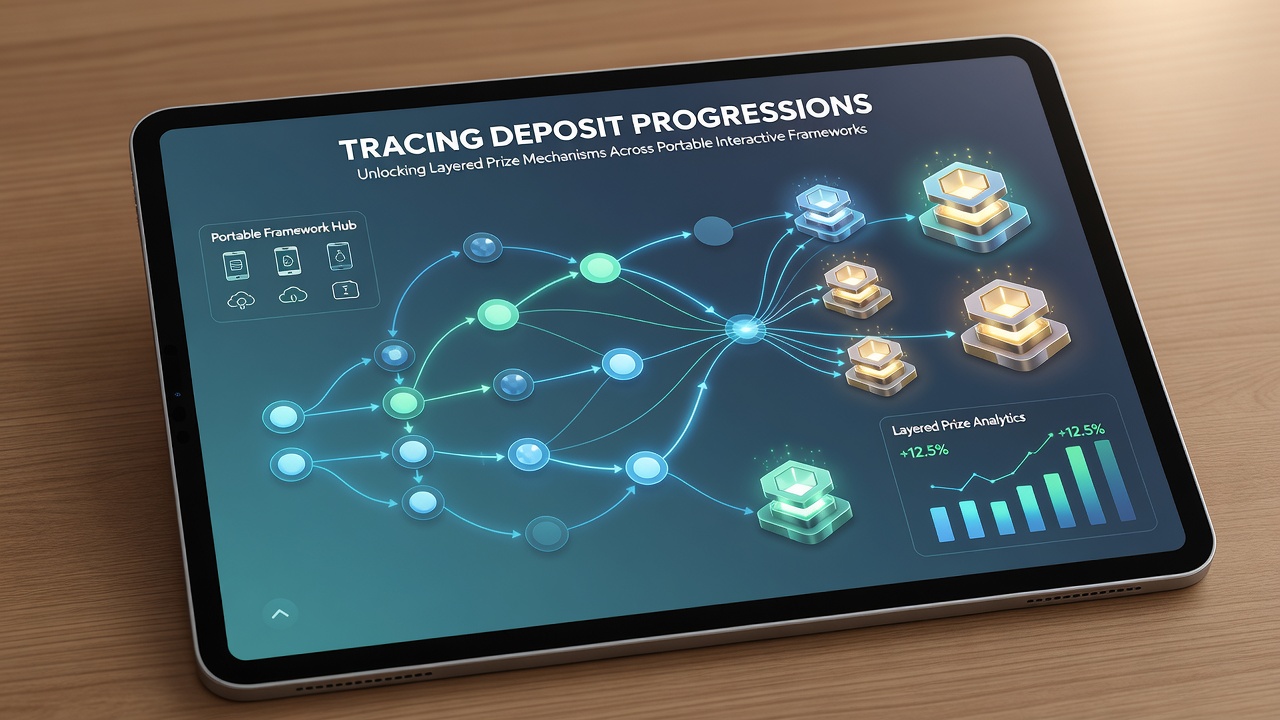
July 2026 regulatory filings from several state oversight bodies indicate that synchronized progression systems now handle over 14 million daily deposit events across mobile networks with less than 0.02 percent incidence of state mismatch errors. These error rates have declined steadily since 2024 when framework operators introduced unified timestamp protocols that reference a single authoritative server clock rather than device-local time.
Regulatory Reporting Requirements
Gaming authorities in multiple jurisdictions require operators to export deposit progression logs in standardized formats that allow auditors to trace each tier unlock back to its originating transaction record. The Alcohol and Gaming Commission of Ontario publishes quarterly summaries that aggregate progression data across licensed mobile platforms while protecting individual account identifiers through anonymization routines.
Similar reporting obligations appear in Australian state legislation where operators must demonstrate that layered prize mechanisms activate only after verified deposit sequences reach documented thresholds. Compliance teams therefore maintain immutable audit trails that link each prize layer release to the exact deposit amount and timestamp that satisfied the progression rule.
Accumulation Windows and Reset Mechanics
Most frameworks define accumulation windows that span seven consecutive days for secondary tier advancement yet apply separate daily caps that prevent any single deposit from jumping multiple layers at once. This design forces users to space transfers across calendar periods when targeting higher prize bands that combine reel multipliers with live dealer access rights.
Reset mechanics trigger automatically at the close of each window and the system archives the completed progression history before clearing the active counters. Archived records remain accessible for 90 days under standard retention policies so that disputes over missed tier unlocks can be resolved through transaction reconstruction.
Integration With Multiplier and Table Ecosystems
Layered prize mechanisms feed directly into both multiplier reel engines and live dealer session allocators so that a single tier advance can simultaneously increase reel payout coefficients and shorten queue times for popular table games. Observers tracking mobile traffic patterns report that users who reach the third progression band show elevated session lengths compared with those who remain at base tier status.
Framework operators have introduced optional opt-in toggles that allow users to pause progression tracking during promotional periods when deposit events should not count toward tier advancement. These toggles appear in account settings menus and require explicit confirmation before the pause takes effect to prevent accidental deactivation.
Conclusion
Deposit progressions that unlock layered prize mechanisms continue to evolve within portable interactive frameworks as operators refine synchronization speed, audit transparency, and cross-device continuity. Regulatory summaries from multiple regions document steady growth in tracked events while technical specifications emphasize sub-second recalculation times and immutable record keeping. These systems form the operational backbone that connects everyday funding actions to increasingly complex prize structures across mobile environments.