Tracing Digital Payment Trails to Tiered Access in Portable Real-Time Table and Multiplier Reel Ecosystems
Written by Jordan Hansen · May 19, 2026

Tracing Digital Payment Trails to Tiered Access in Portable Real-Time Table and Multiplier Reel Ecosystems
Digital payment trails now form the backbone of user verification systems inside portable gaming applications that host real-time table environments alongside multiplier reel configurations, and observers note how transaction records directly influence the speed at which players gain entry to higher access tiers. Regulatory frameworks in multiple jurisdictions require operators to log every deposit and withdrawal so that compliance teams can map activity patterns, and this documentation process simultaneously feeds into loyalty algorithms that determine which live dealer tables or enhanced reel multipliers become available at each level. Data compiled through May 2026 shows steady growth in mobile-first platforms where these integrated systems operate, with transaction volumes rising as more users shift from desktop to handheld devices for both live table sessions and reel-based gameplay.
Payment Verification Mechanisms in Mobile Ecosystems
Operators employ layered authentication sequences that begin the moment a deposit registers, and these sequences pull information from banking partners, digital wallets, and card networks to confirm identity while simultaneously updating internal tier databases. Researchers at institutions tracking gaming technology have documented how a single verified transfer can trigger immediate reassessment of a user's status, unlocking features such as priority seating at real-time tables or access to reels programmed with elevated multiplier ranges. The process runs continuously in the background so that tier adjustments occur without interrupting ongoing sessions, yet every step leaves an auditable trail that regulators can review during routine examinations.
Payment service providers supply structured data feeds that include timestamps, amounts, and originating account details, and these feeds integrate with casino management software to calculate progression toward the next tier threshold. One analysis conducted by industry monitoring groups found that platforms using real-time data synchronization reduced the average time between deposit and tier upgrade by several hours compared with batch-processing models. This acceleration matters because users often expect instant recognition when they move funds into an account that supports both live dealer interactions and multiplier reel spins.
Linking Transaction History to Tiered Feature Access
Tier systems assign privileges based on cumulative deposit volume and frequency, and payment trail analysis supplies the precise metrics that feed these calculations. A player who routes multiple transfers through the same verified method may reach a mid-level tier faster than someone whose activity appears fragmented across different providers, because the software flags consistency as a positive indicator. Observers have recorded instances where accounts with steady trails gained early entry to exclusive real-time table lobbies featuring higher betting limits, while the same accounts simultaneously received reel configurations that included stacked multiplier symbols unavailable at lower tiers.
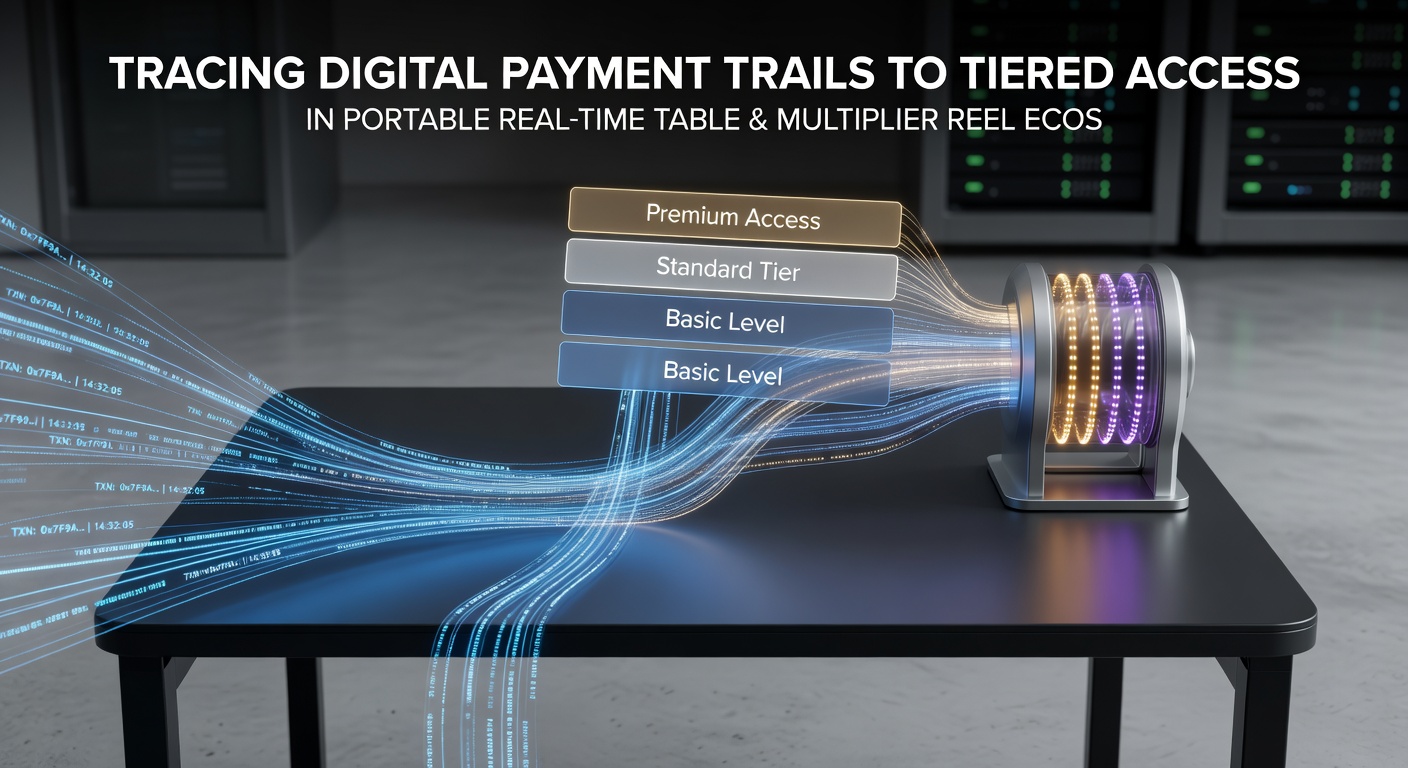
Cross-border transactions add another layer because currency conversion logs and intermediary routing information become part of the trail, and compliance teams examine these details to confirm that funds originate from approved jurisdictions. According to figures released by the Ontario Lottery and Gaming Corporation, mobile platforms operating under provincial oversight recorded measurable increases in tier upgrades during periods when users maintained consistent payment patterns. Such patterns also correlate with longer session durations at both live tables and reel games, although the precise causal links remain under continued study by academic researchers.
Regulatory Oversight and Data Standards Across Regions
Government agencies in North America and parts of Europe have introduced standardized reporting formats that require operators to export payment trail summaries at regular intervals, and these formats now include fields specifically for tier-related outcomes. The New South Wales Independent Liquor and Gaming Authority began requiring additional metadata on mobile transaction chains in early 2026, enabling auditors to trace how deposits map onto feature access within portable environments. Compliance officers use these records to verify that tier upgrades do not bypass responsible gaming controls, because rapid access to multiplier reel variants or premium live tables can coincide with higher wagering volumes.
Software vendors have responded by embedding automated alerts that flag unusual payment sequences before they translate into tier movements, and this proactive filtering helps maintain alignment with evolving regulatory expectations. Those who have examined platform architectures note that the same databases handling anti-money-laundering checks also drive the logic that determines reel multiplier availability and live table entry privileges, creating a unified data environment rather than separate silos.
Conclusion
Tracing digital payment trails has become inseparable from the administration of tiered access inside portable real-time table and multiplier reel ecosystems, and the connection continues to shape how operators structure user progression as of May 2026. Regulatory reporting requirements ensure that transaction records remain transparent while simultaneously powering the algorithms that grant differentiated access to live dealer tables and enhanced reel mechanics. Continued refinement of these integrated systems reflects ongoing collaboration between technology providers, operators, and oversight bodies across multiple jurisdictions, with data standards evolving to match the pace of mobile adoption.