Tracing Loyalty Structures Linking Everyday Deposits to Exclusive Multiplier Access on Wireless Entertainment Platforms
Written by Drew Patterson · Jun 4, 2026

Tracing Loyalty Structures Linking Everyday Deposits to Exclusive Multiplier Access on Wireless Entertainment Platforms
Wireless entertainment platforms have developed intricate loyalty frameworks that connect routine deposit activity with tiered access to multiplier features across mobile interfaces, and these systems operate through layered tracking mechanisms that record transaction frequency alongside engagement metrics. Operators collect data on deposit patterns to assign users to progressive tiers while automated algorithms calculate eligibility for enhanced multiplier rates on interactive content such as reel-based games and live table simulations.
Deposit Tracking and Tier Assignment Processes
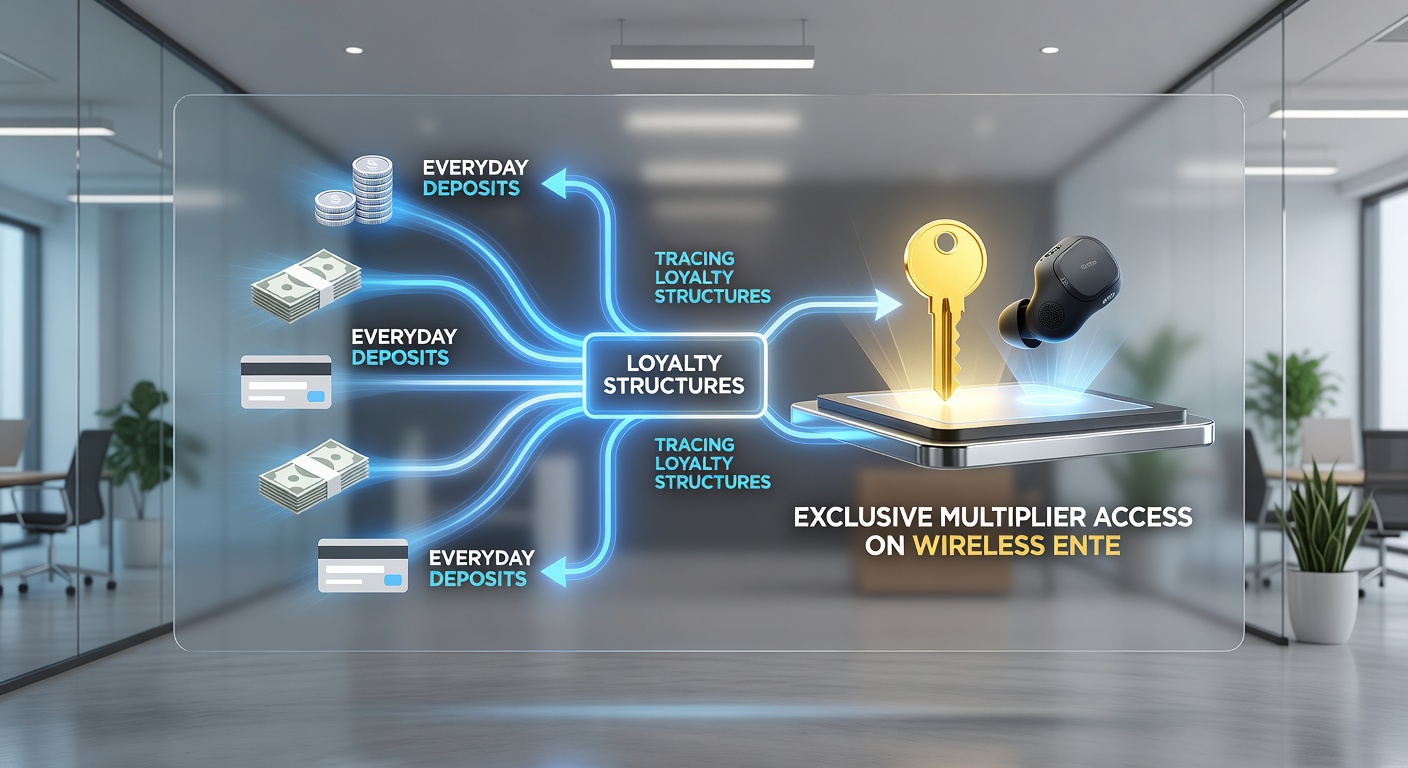
Everyday deposits serve as the primary input for loyalty calculations on these platforms, where systems monitor amounts, timing, and consistency to determine progression through membership levels, and data from industry reports shows that platforms often segment users into categories ranging from entry-level to premium status based on cumulative activity over defined periods. Researchers at institutions like the University of Nevada, Reno have documented how these tracking protocols integrate with payment processors to log each transaction in real time, creating profiles that influence subsequent reward availability without requiring manual intervention from users.
Platforms employ timestamped records to verify deposit regularity, which then feeds into eligibility engines that unlock higher multiplier thresholds once specific thresholds are met, while users on wireless devices experience seamless updates through app notifications that reflect their current standing. This linkage allows for dynamic adjustments where frequent small deposits can accumulate toward the same tier benefits as larger sporadic ones, depending on the weighting formulas applied by each operator.
Multiplier Access Mechanisms in Mobile Ecosystems
Exclusive multiplier access emerges once loyalty tiers are achieved, granting users elevated payout coefficients on selected entertainment modules available through handheld devices, and these multipliers apply to base game outcomes or live interaction bonuses in ways that scale according to tier depth. Technical architectures behind these features rely on server-side validation that cross-references deposit history with current session data to authorize the enhanced rates, ensuring that access remains tied directly to verified activity rather than promotional claims alone.
Wireless platforms integrate these multipliers into both slot-style interfaces and real-time table environments, where the system applies the boost automatically upon qualifying plays, and observers note that the process maintains consistency across different operating systems and network conditions. Studies from the Australian Communications and Media Authority have highlighted patterns in how such access points evolve, with platforms refining their algorithms to balance user retention against operational costs associated with higher reward distributions.
Integration points often include dashboard views that display projected multiplier values based on upcoming deposit projections, allowing users to visualize potential gains from continued participation. These displays draw from historical data sets that predict tier advancement timelines, and the resulting transparency encourages sustained engagement patterns across diverse geographic markets.
Integration with Broader Platform Features
Loyalty structures extend beyond isolated multipliers to influence additional platform elements such as event invitations and content customization options on wireless channels, where deposit-linked tiers determine priority access to seasonal promotions or exclusive live sessions. Technical documentation from platform providers reveals that these connections operate through unified user accounts that synchronize across devices, maintaining continuity even when users switch between cellular and Wi-Fi connections.
In June 2026 several major providers updated their backend protocols to incorporate more granular deposit categorization, separating recreational activity from high-volume patterns for refined tier assignments, and this adjustment aligns with evolving regulatory expectations in multiple jurisdictions. The changes enable more precise multiplier allocation while preserving the core linkage between routine financial inputs and premium feature unlocks.
Regional Variations in Implementation
Implementation details vary by region, with North American platforms emphasizing integration with established payment networks whereas European counterparts often incorporate additional verification layers tied to local data protection standards, and these differences affect how quickly users progress through loyalty pathways. Canadian regulatory filings indicate that operators in that market have adopted hybrid models combining deposit volume with session duration metrics to determine multiplier eligibility, creating hybrid structures that reward both financial commitment and time investment on wireless platforms.
Asian markets demonstrate faster iteration cycles for these systems, with providers testing new weighting formulas that adjust multiplier scales based on real-time platform load, and the result is a more responsive environment where everyday deposits yield quicker access to elevated features during peak usage windows. Cross-border comparisons show that these regional adaptations maintain the fundamental deposit-to-multiplier connection while accommodating local infrastructure variations.
Future Trajectories for Loyalty Linkages
Emerging developments point toward greater incorporation of machine learning models that forecast multiplier access windows based on deposit trajectory analysis, and these models process anonymized aggregate data to optimize tier thresholds across entire user bases. Platform engineers continue refining the synchronization between deposit records and wireless delivery systems to minimize latency in reward activation, ensuring that tier advancements translate immediately into usable multiplier benefits during active sessions.
Industry associations such as the European Gaming and Betting Association have compiled comparative analyses of these structures, revealing consistent emphasis on transparent communication of how deposits influence feature access across different platform scales. Continued evolution in this area depends on ongoing alignment between technical capabilities and user behavior patterns observed through wireless interaction logs.
Conclusion
The connection between everyday deposits and exclusive multiplier access on wireless entertainment platforms rests on systematic tracking and tiered validation processes that operate consistently across varied device environments. Data from multiple regulatory and research sources demonstrates how these linkages support structured progression while adapting to regional requirements and technological updates. As platforms refine their approaches through 2026 and beyond, the core architecture linking deposit activity to enhanced features remains central to operational design in this sector.