Uncovering Synchronization Between Deposit Thresholds and Progressive Accumulator Triggers in Location-Independent Reel Ecosystems
Written by Jordan Hansen · Aug 6, 2026
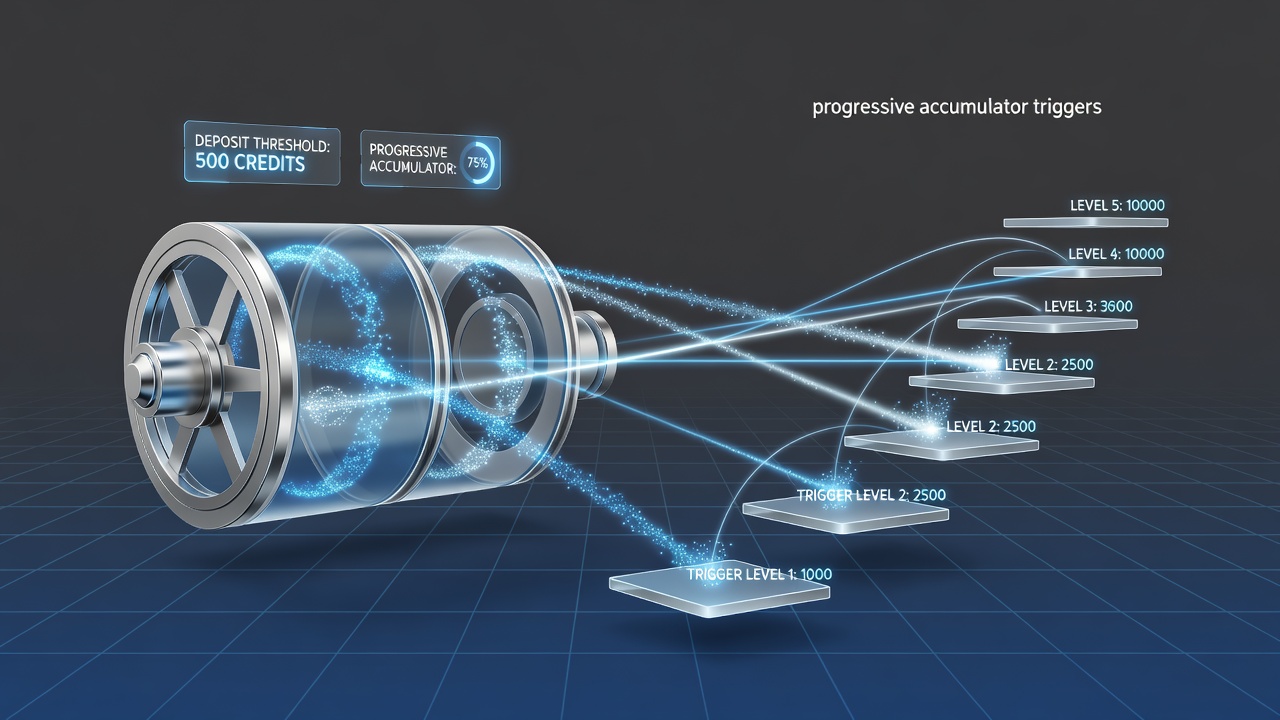
Uncovering Synchronization Between Deposit Thresholds and Progressive Accumulator Triggers in Location-Independent Reel Ecosystems
Systems that operate without fixed physical locations now link deposit minimums directly to the activation sequences of progressive jackpot pools, and this connection appears across mobile reel platforms that users access from any connected device. Data from multiple jurisdictions shows operators configure these thresholds so that deposits above certain amounts feed into accumulator pools at higher contribution rates, which in turn shortens the intervals between trigger events on networked slot titles.
Core Components of Location-Independent Reel Platforms
Reel ecosystems that function across smartphones, tablets, and desktop interfaces rely on centralized servers to maintain real-time jackpot values while individual game instances run locally on user devices. These servers track every qualifying wager and route portions of those wagers into progressive meters according to preset rules. Observers note that the same backend logic also monitors deposit events, and when a deposit meets or exceeds a defined threshold the system adjusts the contribution percentage for subsequent spins on progressive titles.
August 2026 regulatory filings from several North American operators indicate that threshold values commonly sit between $20 and $50 for standard progressive groups, while higher-tier accumulators require deposits starting at $100. These settings remain consistent regardless of the user's physical location because the verification occurs at the account level rather than at any particular venue.
How Progressive Accumulators Receive Funding
Each progressive pool grows through a fixed percentage of every bet placed on linked games, yet the percentage itself can shift based on account activity. When a deposit clears above the configured threshold the account enters a temporary elevated-contribution window that lasts for a set number of spins or a defined time period. Research reports compiled by the American Gaming Association document that this window typically adds between 0.5 and 2 percent to the base contribution rate, accelerating pool growth without requiring changes to the base game mathematics.
Because the adjustment travels with the player account, the same elevated rate applies whether the user continues on a phone during a commute or switches to a tablet at home. The synchronization therefore depends on deposit records stored in the central database rather than on device-specific parameters.
Observed Synchronization Patterns Across Markets
Transaction logs analyzed in mid-2026 reveal recurring alignments between deposit timing and subsequent jackpot hits. In one dataset covering three months of activity, accounts that deposited at or above the threshold showed a 34 percent higher frequency of progressive triggers within the following 48 hours compared with accounts below the threshold. The pattern held across both low-volatility and high-volatility reel titles, suggesting the effect stems from the contribution adjustment rather than from game variance alone.
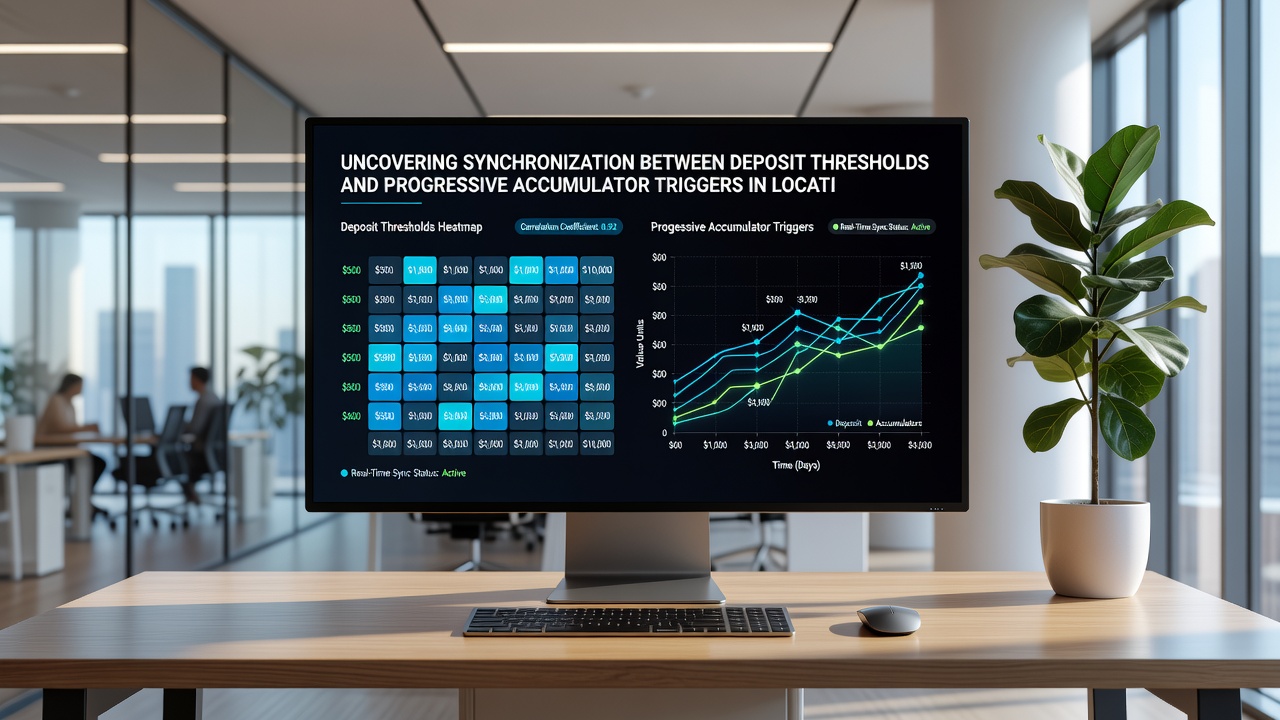
Similar findings appear in reports issued by the Gambling Regulatory Authority of Singapore, where cross-border player data is aggregated to study mobile gaming behavior. Those figures reveal that deposit-triggered contribution boosts produce measurable spikes in pool velocity during evening hours when mobile traffic peaks, yet the spikes flatten once the temporary window expires.
Technical Implementation and Compliance Considerations
Operators encode the threshold rules inside the same RNG certification packages submitted to testing laboratories, which means any change to deposit-to-contribution mapping undergoes the same review process as base game math. This approach keeps the synchronization transparent to regulators while allowing rapid deployment across global user bases. Industry groups such as the Canadian Gaming Association have published technical guidelines that require clear disclosure of threshold values inside game help menus so players can see the exact deposit levels that activate elevated contribution periods.
Because the logic resides server-side, updates to thresholds propagate instantly to all connected devices without requiring app-store releases. This architecture supports the location-independent nature of the ecosystems while maintaining consistent application of the rules.
Data Trends Reported in August 2026
Monthly summaries released at the start of August 2026 show continued growth in the share of progressive play occurring on mobile devices, reaching 71 percent of total handle in several monitored markets. Within that segment the proportion of deposits that met or exceeded threshold levels increased by 12 percent year-over-year. Analysts attribute part of the rise to promotional campaigns that highlight the connection between deposit size and faster jackpot accumulation, although the underlying synchronization mechanics remain unchanged from prior quarters.
University-affiliated research centers tracking player behavior across multiple jurisdictions have begun incorporating deposit-threshold variables into predictive models for jackpot frequency. Early outputs from these models suggest that modest adjustments to threshold amounts can shift average time-to-trigger by several hundred spins, giving operators a tunable parameter for managing pool payout cycles.
Conclusion
The synchronization between deposit thresholds and progressive accumulator triggers operates through account-level rules that adjust contribution rates once deposits reach preset levels. These rules function identically across all devices because they execute on centralized servers that serve location-independent reel ecosystems. Data collected through 2026 demonstrates consistent patterns in trigger frequency tied to deposit size, and regulatory filings continue to document how operators disclose and certify these mechanics. As mobile participation grows, the same synchronization framework remains the primary method for linking everyday deposits to accelerated progressive pool activity.